What is SEO in Digital Marketing?
What is SEO? (Unleash)
In today’s digital age, businesses thrive online. To ensure that your website or content is visible to potential customers, you need to be discoverable. That’s where Search Engine Optimization (SEO) comes into play. SEO is a crucial element of digital marketing, and it can significantly impact your online presence. But what exactly is SEO, and why is it so important?
In this blog, we’ll explore the fundamentals of SEO, how it works, and why it’s essential for businesses.
What is SEO?
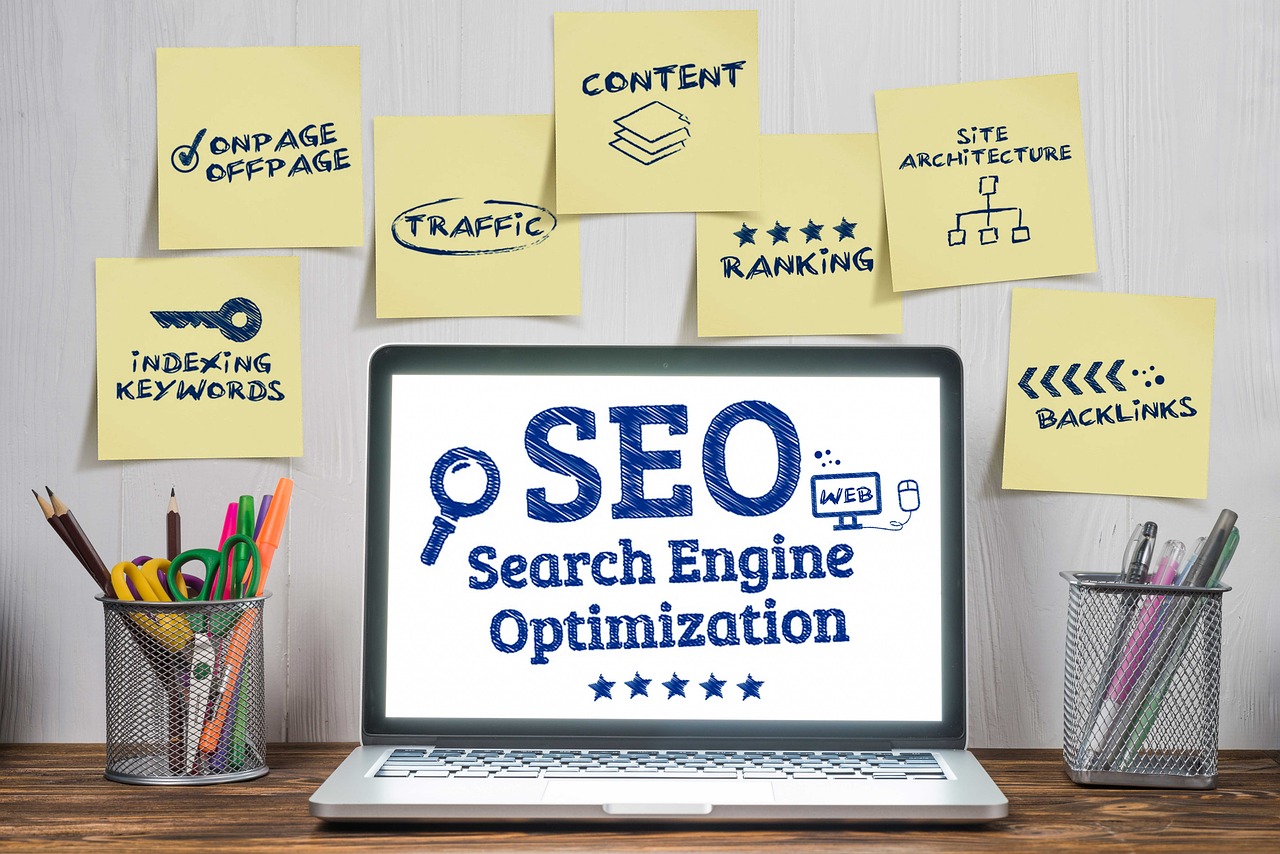
SEO, or Search Engine Optimization, refers to the practice of optimizing a website or online content to increase its visibility on search engines like Google, Bing, and Yahoo. The goal is to ensure that your website appears higher in search engine results pages (SERPs) for relevant keywords or phrases. By doing so, you can attract more organic traffic—users who find your site through search engines rather than through paid advertisements.
How Does SEO Work?
Search engines use complex algorithms to determine the ranking of web pages. SEO is all about understanding these algorithms and making adjustments to your website to align with them. These algorithms consider factors such as:
- Relevance: How relevant is your content to the user’s query?
- Quality of Content: Is your content informative, well-researched, and unique?
- User Experience: Is your website easy to navigate and mobile-friendly?
- Backlinks: Are other reputable websites linking to your content?
- Page Load Speed: Does your website load quickly?
By optimizing these aspects, your website is more likely to rank higher in the search results, increasing the chances of drawing organic traffic.(What is SEO?)
Key Elements of SEO
There are several key components to SEO that work together to improve your website’s ranking:
1. On-Page SEO
On-page SEO focuses on the content and structure of your website. It involves optimizing individual web pages to rank higher. Key on-page elements include:
- Keyword Optimization: Integrating relevant keywords naturally into your content, titles, and meta descriptions.
- Title Tags & Meta Descriptions: Creating clear, concise titles and descriptions that summarize your content.
- Content Quality: Providing high-quality, relevant, and original content that answers user queries.
- URL Structure: Using clean, descriptive URLs that include target keywords.
- Internal Linking: Linking to other pages on your website to improve navigation and user experience.
2. Off-Page SEO
Off-page SEO refers to actions taken outside of your own website to impact your rankings within SERPs. It involves building credibility and authority through:
- Backlinks: Gaining links from other reputable websites. Search engines view backlinks as votes of confidence in your content.
- Social Signals: Shares, likes, and engagement on social media platforms.
- Guest Blogging: Publishing content on other websites with links back to your site.(What is SEO?)
3. Technical SEO
Technical SEO focuses on optimizing the backend of your website to make it more crawlable and indexable by search engines. It includes:
- Site Speed: Ensuring your website loads quickly on all devices.
- Mobile-Friendliness: Optimizing your site for mobile users, as search engines prioritize mobile-friendly websites.
- XML Sitemaps: Creating and submitting an XML sitemap to help search engines understand the structure of your website.
- Structured Data: Implementing schema markup to help search engines understand the context of your content. (What is SEO?)
The Importance of SEO in Digital Marketing
SEO is crucial because it helps businesses attract more organic traffic, which is more sustainable and cost-effective than paid advertising. Here’s why SEO is essential:
1. Increased Visibility
SEO helps your website rank higher in search results, making it more visible to potential customers who are searching for products or services you offer.
2. Better User Experience
SEO focuses on improving the overall user experience by making your website faster, mobile-friendly, and easier to navigate. A better user experience leads to higher engagement and conversion rates.(What is SEO?)
3. Long-Term Success
Unlike paid advertising, which stops driving traffic once the campaign ends, SEO provides long-term results. Once your website ranks high, it can continue to attract traffic for months or even years without ongoing investment.
4. Cost-Effective
Organic traffic is free, which makes SEO one of the most cost-effective strategies for driving relevant traffic to your website. While SEO requires an initial investment, the long-term benefits make it highly cost-effective compared to pay-per-click (PPC) advertising.
5. Builds Trust and Credibility
A website that ranks high in search results is often perceived as more trustworthy and credible. By implementing SEO best practices, you can build a reputable online presence that earns the trust of your audience.(What is SEO?)
Conclusion
SEO is an indispensable part of digital marketing. Whether you run a small business, an e-commerce store, or a large corporation, optimizing your website for search engines is key to driving organic traffic and growing your online presence.
By investing in SEO, you are investing in the future of your business. A well-optimized website not only attracts more visitors but also builds brand credibility, enhances user experience, and drives long-term success.
We are also on Facebook
Go back to home page: 33Services
If you want to Digital Marketing Service with Us Please go here: Digital Marketing Services