
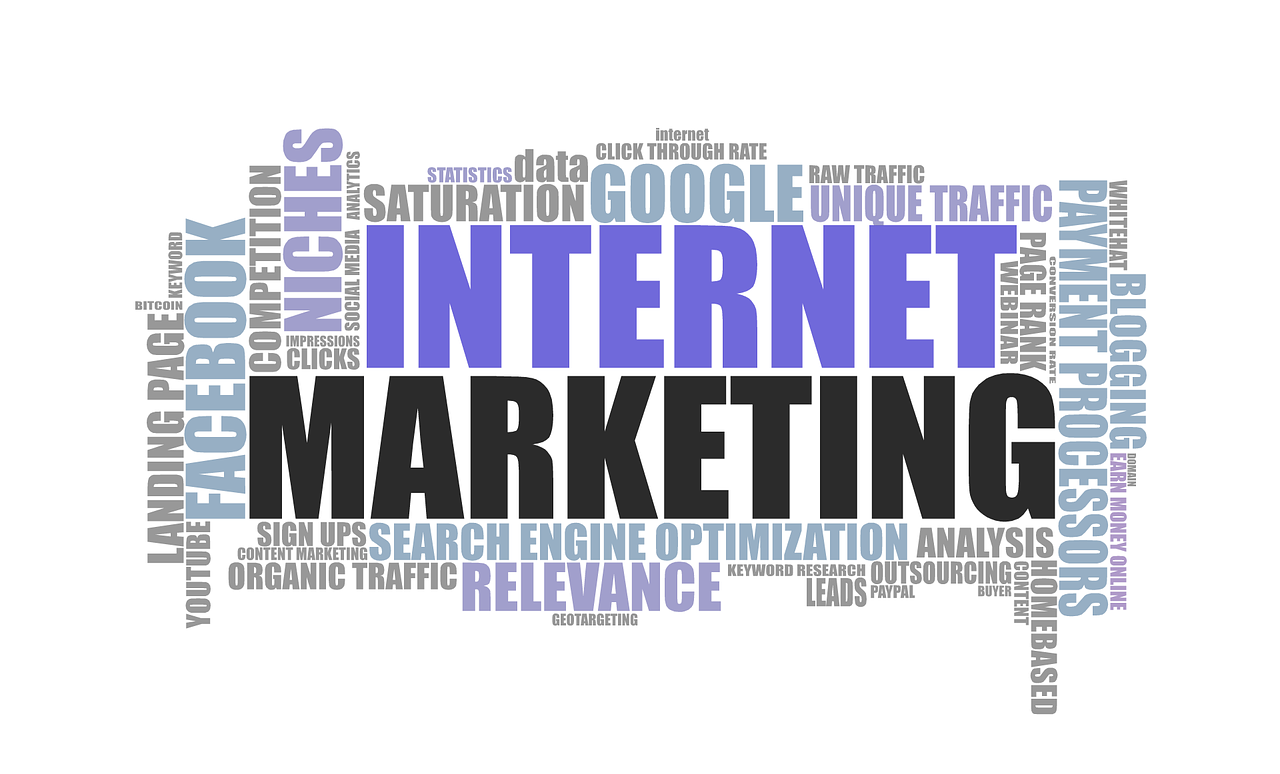
What Is Internet Marketing?
Internet Marketing
In today’s digital world, having an online presence is essential for any business to thrive. This is where Internet Marketing comes into play. Internet marketing, also known as online marketing or digital marketing, has revolutionized the way businesses reach their audience. But what exactly is internet marketing, and how can it benefit your business?
In this blog, we’ll break down the concept of internet marketing, explore its key components, and show why it’s crucial for modern businesses.
What is Internet Marketing?
Internet marketing refers to the promotion of products, services, or brands through online channels. The primary goal is to reach a vast audience, build brand awareness, and convert visitors into customers. Unlike traditional marketing, which relies on physical mediums such as print, radio, and television, internet marketing leverages the power of the internet to connect with potential customers.
At its core, internet marketing allows businesses to:
- Target specific audiences
- Track and measure campaign performance in real time
- Engage with customers across different platforms
From social media to email campaigns, internet marketing encompasses various strategies that help businesses grow in the digital space.
Types of Internet Marketing
There are several key types of internet marketing, each playing a unique role in reaching and engaging with potential customers.
1. Search Engine Optimization (SEO)
SEO is the process of optimizing your website to rank higher in search engine results pages (SERPs) like Google. The higher your site ranks, the more likely it is to attract organic (non-paid) traffic. SEO involves techniques such as:
- Keyword research to identify what terms people are searching for.
- On-page SEO to ensure your website is optimized for search engines.
- Link building to increase the number of reputable websites linking to your content.
SEO is a long-term strategy that builds organic traffic, enhancing visibility without the need for paid advertising.
2. Pay-Per-Click Advertising (PPC)
PPC advertising involves placing ads on search engines or other websites, where advertisers pay a fee each time someone clicks on their ad. The most common platform for PPC is Google Ads, where businesses bid for ad placement on specific search queries.
Key benefits of PPC include:
- Immediate visibility on search engines
- Targeting specific demographics or geographical locations
- Flexibility to set budgets and control ad spending
PPC is ideal for businesses that want quick results or are promoting time-sensitive offers.(Internet marketing)
3. Social Media Marketing
Social media platforms such as Facebook, Instagram, Twitter, and LinkedIn are powerful tools for promoting products and services. Social media marketing involves creating and sharing content that encourages engagement, builds brand loyalty, and drives traffic back to your website.
The main advantages of social media marketing include:
- Direct engagement with your audience
- Brand building through interactive content
- Paid advertising options for more targeted campaigns
By leveraging the power of social platforms, businesses can reach millions of potential customers in a cost-effective way.
4. Content Marketing
Content marketing focuses on creating valuable, informative, and relevant content to attract and engage an audience. Instead of directly promoting your products or services, content marketing aims to provide useful information that solves problems or answers questions.
Content marketing includes:
- Blog posts and articles
- E-books, whitepapers, and case studies
- Videos, podcasts, and webinars
The goal is to build trust and establish your brand as an authority in your industry. Over time, this can lead to higher conversions and increased brand loyalty.
5. Email Marketing
Email marketing remains one of the most effective internet marketing channels. It involves sending targeted emails to a group of subscribers, often with the goal of promoting products, announcing special offers, or nurturing leads.
Key benefits of email marketing include:
- Direct communication with potential and existing customers
- Personalization through segmentation and tailored content
- High return on investment (ROI)
Building an email list and crafting compelling campaigns can drive repeat business and maintain customer relationships.
6. Affiliate Marketing
Affiliate marketing is a performance-based strategy where businesses pay external websites or individuals (affiliates) to promote their products. Affiliates earn a commission for every sale or lead generated through their promotional efforts.
Affiliate marketing is a great way to expand your reach without upfront advertising costs. By partnering with influencers, bloggers, or other websites, businesses can tap into new audiences and drive more sales.
Benefits of Internet Marketing
Now that you understand the different types of internet marketing, let’s explore why it’s crucial for your business.
1. Global Reach
Internet marketing allows businesses to reach a global audience, removing geographical limitations. Whether you’re a small business or a large corporation, the internet gives you access to millions of potential customers worldwide.
2. Cost-Effective
Compared to traditional marketing, internet marketing is significantly more cost-effective. Platforms like social media and email marketing allow you to promote your business with little to no budget, while paid options like PPC can be scaled based on your financial capabilities.
3. Targeted Marketing
With internet marketing, you can precisely target your ideal customers. Whether it’s through social media ads or Google search campaigns, you can tailor your marketing efforts to specific demographics, locations, and behaviors.
4. Measurable Results
One of the most significant advantages of internet marketing is the ability to measure results in real-time. You can track clicks, conversions, and sales, making it easier to see what’s working and what’s not. Tools like Google Analytics and social media insights help you adjust your strategy for optimal results.
5. Brand Building
Internet marketing enables businesses to build strong brands by engaging with customers across multiple platforms. By consistently delivering valuable content, interacting with your audience, and maintaining a strong online presence, you can cultivate brand loyalty and trust.
6. Increased Sales and Revenue
Ultimately, internet marketing drives sales and revenue by connecting you with potential customers who are actively searching for your products or services. By implementing a mix of strategies such as SEO, PPC, and content marketing, you can boost your conversion rates and grow your business.
Conclusion
In the digital age, internet marketing is a must for any business that wants to succeed online. Whether you’re looking to build brand awareness, attract new customers, or increase sales, internet marketing offers a wide range of strategies to help you achieve your goals.
By leveraging tools like SEO, social media, and email marketing, you can create a powerful online presence that drives growth and long-term success. Ready to take your business to the next level? Start exploring internet marketing today!
We are also on Facebook
Go back to home page: 33Services
If you want to Digital Marketing Service with Us Please go here: Digital Marketing Services