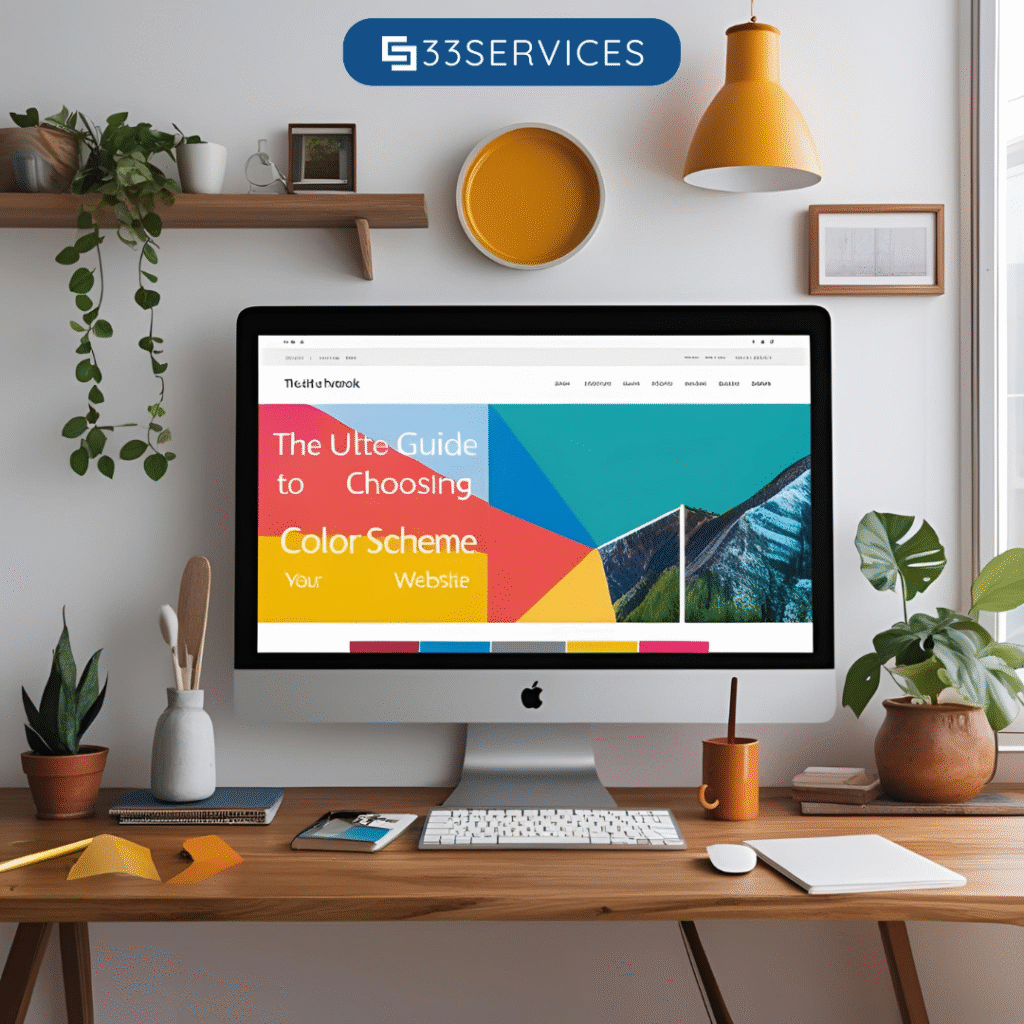
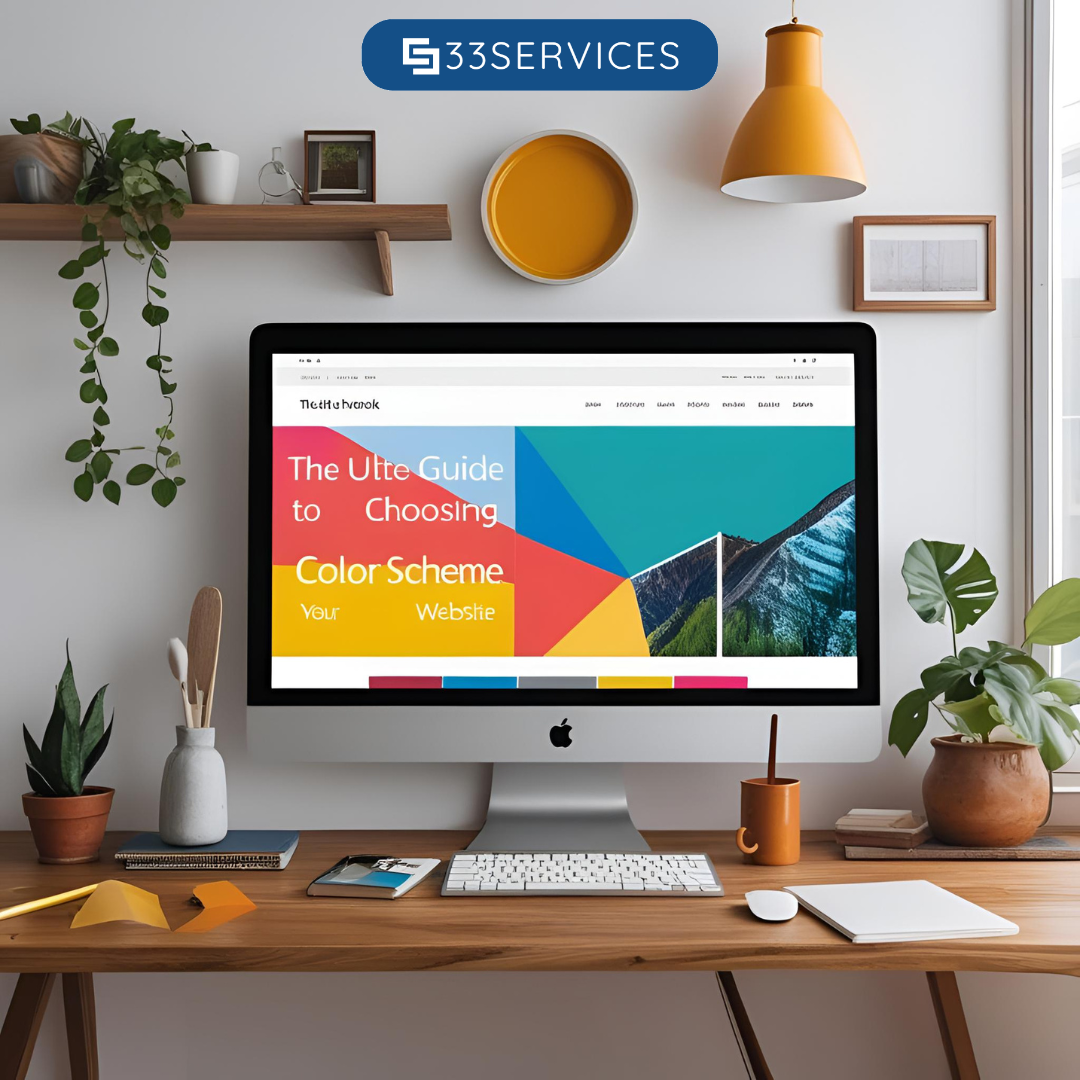
Sure! Here’s a detailed and well-structured guide titled “The Ultimate Guide to Choosing the Right Color Scheme for Your Website”:
The Ultimate Guide to Choosing the Right Color Scheme for Your Website
Your website’s color scheme isn’t just about aesthetics—it influences user experience, brand perception, and even conversion rates. This guide will walk you through everything you need to know to choose the perfect color palette for your site.
1. Understand the Psychology of Color
Different colors evoke different emotions and reactions. Here’s a quick overview:
| Color | Emotional Impact | Common Uses |
|---|---|---|
| Red | Energy, urgency, passion | Sales, food, entertainment |
| Blue | Trust, calm, professionalism | Finance, healthcare, tech |
| Green | Growth, health, tranquility | Environment, wellness, finance |
| Yellow | Optimism, clarity, attention | Retail, children’s products |
| Orange | Enthusiasm, creativity | Call-to-action buttons, marketing |
| Purple | Luxury, wisdom, spirituality | Beauty, education, high-end products |
| Black | Sophistication, elegance, mystery | Luxury brands, fashion |
| White | Cleanliness, simplicity | Minimalist and modern websites |
2. Know Your Brand Identity
Before picking colors, define your brand personality. Ask yourself:
Is your brand fun or serious?
Traditional or modern?
Youthful or mature?
Example:
A law firm may benefit from blues and grays (trust and professionalism), while a children’s toy store might thrive with bright reds and yellows (fun and energy).
3. Choose a Primary Color
Start with one dominant color that reflects your brand essence. This will be used in key areas like headers, backgrounds, buttons, and links.
💡 Tip: Use tools like Coolors or Adobe Color to explore popular palettes and generate schemes based on your primary color.
4. Build a Complementary Palette
Once you have a primary color, build a palette with:
Secondary Color(s): Supports and adds contrast to your primary color.
Accent Color: For call-to-actions and highlights.
Neutral Tones: White, gray, black, or beige for backgrounds, text, and borders.
Popular Combinations:
Blue, white, and orange
Green, gray, and beige
Purple, pink, and off-white
5. Consider Color Harmony Principles
Use color theory techniques for balanced combinations:
Analogous Colors: Colors next to each other on the color wheel (e.g., blue, teal, green) – great for a harmonious, calm look.
Complementary Colors: Colors opposite each other on the color wheel (e.g., red and green) – high contrast, bold.
Triadic Colors: Three evenly spaced colors (e.g., red, yellow, blue) – vibrant and balanced.
6. Focus on Accessibility
Color should serve all users, including those with visual impairments.
Ensure contrast ratios are sufficient (use tools like WebAIM Contrast Checker).
Avoid relying solely on color to convey meaning (e.g., form errors should use text/icons, not just red).
Test your color scheme in grayscale to check visibility.
7. Test Your Colors in Real Context
Preview your colors in mockups or on live pages. Ask:
Is it readable?
Is the navigation clear?
Are CTAs (calls to action) visible and inviting?
Tools for real-world testing:
Figma or Adobe XD for prototyping
Browser dev tools for quick color swaps
A/B testing tools to track performance
8. Stay Consistent Across Platforms
Your website, app, social media, and print materials should share a consistent color theme. Create a brand style guide that includes:
HEX, RGB, and CMYK values
Usage examples
Do’s and don’ts for color combinations
9. Look at Industry Examples
Get inspiration from brands in your niche:
Tech (e.g., Dropbox, Slack): Soft blues and purples
E-commerce (e.g., Amazon, Etsy): High-contrast colors like orange and black
Lifestyle blogs: Pastels, soft neutrals, or bold editorial hues
10. Update and Optimize Over Time
Don’t be afraid to tweak your palette based on:
Analytics (e.g., which CTAs are clicked more)
User feedback
Design trends
But always balance freshness with brand consistency.
Final Thoughts
A well-chosen color scheme can make your website look professional, increase user trust, and boost engagement. By combining psychological insight, design principles, and user testing, you can craft a palette that elevates your brand.
Would you like this guide turned into a PDF, infographic, or blog post format?
Connect with Us:
We are also on Facebook
Go back to home page: 33Services
If you want to Digital Marketing Service with Us Please go here: Digital Marketing Services