
The Importance of Color Theory in Web Design

The Importance of Color Theory in Web Design

The Importance of Color Theory in Web Design

Color theory plays a crucial role in web design, influencing everything from user experience to brand perception. Here’s an overview of why it matters and how it impacts web design:

1. First Impressions and Emotional Impact

Colors evoke emotions and can influence a user’s first impression within seconds. The right color palette can create a sense of trust, excitement, calmness, or urgency—helping to align the website’s tone with its purpose.

  • Warm colors (reds, oranges) can energize or alert.

  • Cool colors (blues, greens) often convey calmness and professionalism.

  • Neutral colors provide balance and sophistication.

2. Brand Identity and Recognition

Color is a key element of brand identity. Consistent use of color helps reinforce brand recognition and builds a cohesive image across digital platforms.

  • Think of Coca-Cola’s red or Facebook’s blue—these colors become synonymous with the brand itself.

3. Visual Hierarchy and Navigation

Color can guide the user’s eye and improve navigation by establishing a visual hierarchy.

  • Contrast helps highlight key elements like CTAs (call-to-action buttons), links, or headings.

  • Accent colors draw attention to important features without overwhelming the user.

4. Readability and Accessibility

Good color theory ensures that text and interactive elements are legible for all users, including those with visual impairments.

  • Adequate contrast ratios between background and text improve readability.

  • Using color with other cues (like icons or labels) supports accessibility guidelines (like WCAG).


5. Consistency and Aesthetic Appeal

A well-chosen color scheme provides a sense of cohesion and aesthetic harmony across a site. This consistency helps users feel comfortable and oriented as they navigate.

  • Designers often use analogous (similar) or complementary (contrasting) color schemes to maintain balance.


6. Cultural and Psychological Relevance

Colors can have different meanings in different cultures or psychological contexts. Understanding your target audience’s cultural background and expectations is crucial for selecting appropriate colors.


In Summary:

Color theory is more than just choosing pretty shades. It’s a strategic tool in web design that supports usability, conveys meaning, enhances brand identity, and improves the overall user experience. By applying principles of color theory thoughtfully, designers create websites that are not only visually attractive but also functional and effective.

Would you like a visual example or color palette suggestions for a specific type of website?
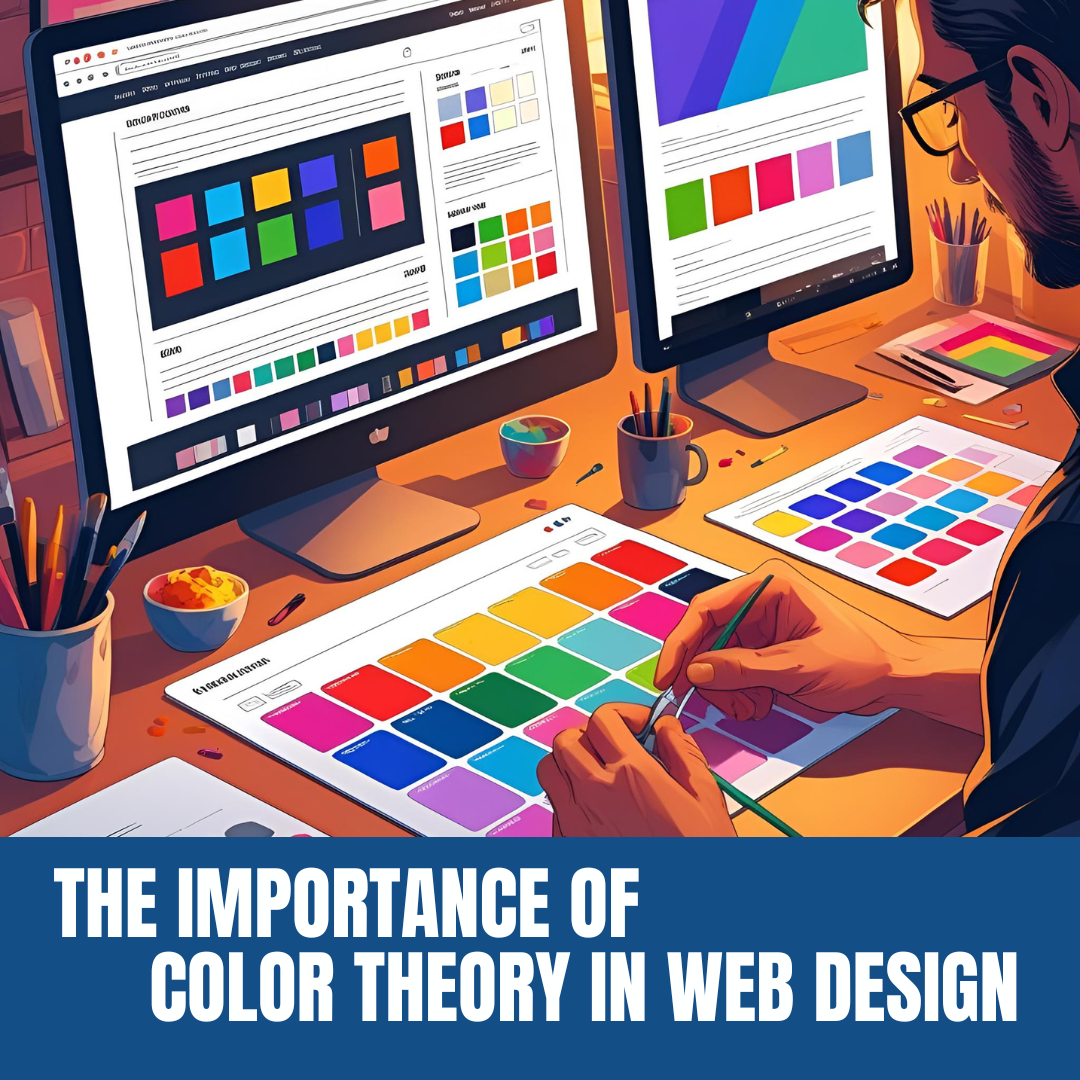
The Importance of Color Theory in Web Design

We are also on Facebook

Go back to home page: 33Services

If you want to Digital Marketing Service with Us Please go here: Digital Marketing Services


Ready to Elevate Your Online Presence?

Your website is your digital storefront—make it stand out! At 33Services, we craft stunning, high-performance websites tailored to grow your brand and boost conversions.

Let’s Build Something Amazing Together!