
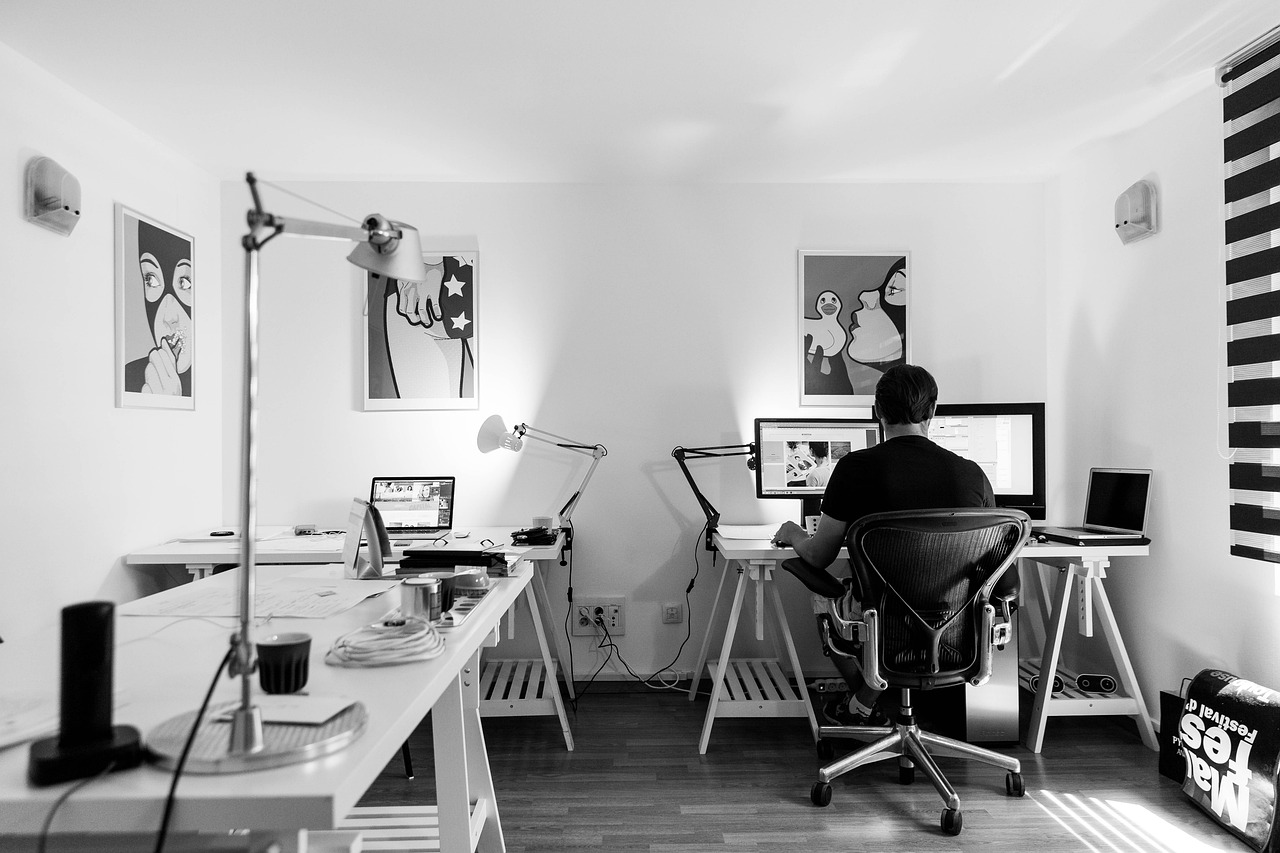

History of Computing: From early machines to modern computers.

How to Create a Comfortable Workspace

From early machines to modern computers:

From early machines to modern computers

The history of computing is a fascinating journey that spans centuries, evolving from primitive tools to the powerful computers we use today. Here’s an overview of key milestones in this evolution:)From early machines to modern computers)

Ancient and Early Mechanical Devices

  1. Abacus (c. 500 BC): One of the earliest counting devices, the abacus, allowed users to perform basic arithmetic using beads on rods.

  2. Antikythera Mechanism (c. 150-100 BC): An ancient Greek analog computer designed to predict astronomical positions and eclipses.

  3. Astrolabe (c. 150 BC): A sophisticated instrument used for solving problems related to time and the position of the stars.

The Mechanical Era

  1. Pascaline (1642): Blaise Pascal invented the first mechanical calculator that could perform addition and subtraction.

  2. Leibniz’s Calculator (1673): Gottfried Wilhelm Leibniz developed a more advanced mechanical calculator capable of multiplication and division.

  3. Analytical Engine (1837): Charles Babbage designed the first concept of a general-purpose mechanical computer, although it was never completed. Ada Lovelace is credited with writing algorithms for it, making her the first computer programmer.(From early machines to modern computers)

The Electromechanical Age

  1. Tabulating Machine (1890): Herman Hollerith’s machine used punched cards to automate data processing for the US Census, leading to the founding of IBM.(From early machines to modern computers)

  2. Harvard Mark I (1944): A large electromechanical computer that performed calculations for the U.S. Navy.

The Electronic Revolution

  1. ENIAC (1945): The first general-purpose electronic digital computer, ENIAC used vacuum tubes and was capable of performing a wide variety of calculations much faster than its mechanical predecessors.

  2. Transistors (1947): The invention of the transistor revolutionized computing, allowing for smaller, more reliable, and energy-efficient devices.

  3. UNIVAC I (1951): The first commercially available computer, used for business applications and famous for predicting the outcome of the 1952 presidential election.

The Birth of Modern Computing

  1. Integrated Circuits (1960s): The development of integrated circuits allowed multiple transistors to be combined onto a single chip, leading to the miniaturization of computers.

  2. Microprocessors (1971): The introduction of the microprocessor, such as the Intel 4004, marked the beginning of personal computing, enabling the development of home computers.

  3. Apple I and II (1976-1977): Steve Jobs and Steve Wozniak introduced personal computers that brought computing into homes and schools.

The Internet and Networking

  1. ARPANET (1969): The precursor to the internet, ARPANET connected various research institutions, paving the way for modern networking.

  2. World Wide Web (1989): Tim Berners-Lee developed the web, making information accessible and revolutionizing communication and commerce.

The Modern Era

  1. Mobile Computing (2000s): The rise of smartphones and tablets transformed computing, making it portable and ubiquitous.

  2. Cloud Computing (2000s): Services like Amazon Web Services and Google Cloud allowed for scalable computing resources over the internet, changing how businesses and individuals store and process data.

  3. Artificial Intelligence (2010s-Present): Advances in machine learning and AI have enabled computers to perform tasks previously thought to require human intelligence, impacting various fields from healthcare to finance.(From early machines to modern computers)

From early machines to modern computers:

Conclusion

The history of computing is marked by continuous innovation and adaptation. Each technological leap has opened new possibilities, shaping our modern world. Today, we stand on the brink of even more profound changes with developments in quantum computing, AI, and beyond. The journey is far from over!(From early machines to modern computers)

How to Create a Comfortable Workspace

We are also on Facebook

Go back to home page: 33Services

If you want to Digital Marketing Service with Us Please go here: Digital Marketing Services