
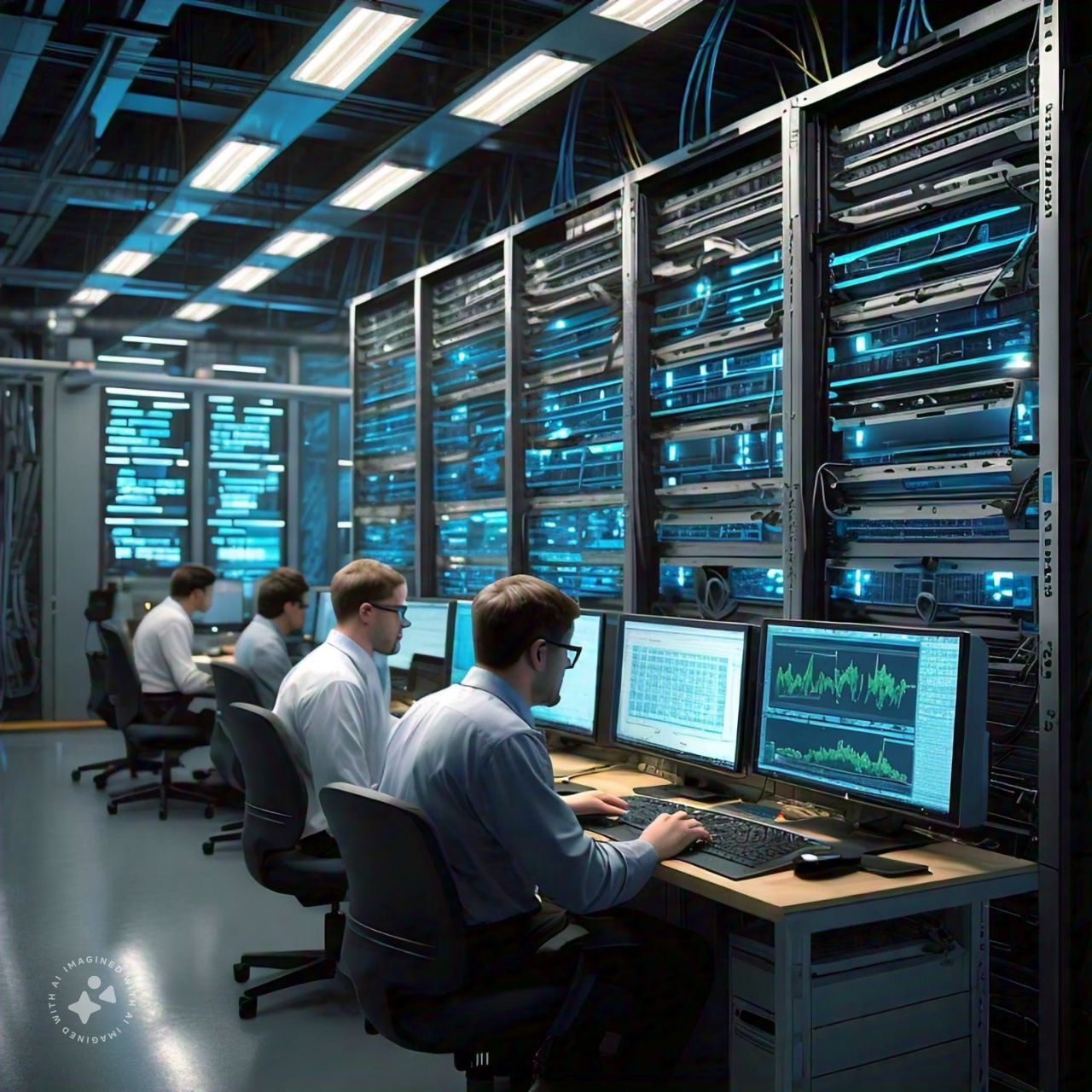
Big Data and Data Analytics: Role of computers in managing and analyzing massive data sets
Big Data and Data Analytics
This blog will explore how computers manage, process, and analyze massive datasets and the transformative impact of big data analytics on decision-making.
What is Big Data?
Big Data refers to datasets that are too large, complex, or fast-moving to be efficiently handled by traditional data processing systems. These datasets are often characterized by the “3 Vs”:
- Volume: The sheer amount of data generated—often in terabytes or petabytes.
- Variety: Data comes in many forms, including structured (databases), semi-structured (XML, JSON), and unstructured (text, images, videos).
- Velocity: The speed at which new data is created and must be processed in real-time.
Companies rely on computers to not only store and organize these massive datasets but also to extract meaningful patterns and insights through data analytics.
How Computers Manage Big Data
1. Data Storage
One of the first challenges with Big Data is storage. Traditional storage methods struggle to handle massive datasets, but advances in cloud computing and distributed systems have made it easier. Here’s how computers help:
- Cloud Storage: Cloud providers like AWS, Google Cloud, and Microsoft Azure offer scalable storage solutions. Data is stored across multiple servers in a distributed network, allowing organizations to manage vast amounts of information with relative ease.
- Hadoop and HDFS: The Hadoop Distributed File System (HDFS) allows large datasets to be split into smaller chunks and stored across multiple computers. This ensures fault tolerance and scalability, meaning the system can grow as the data grows.(Big Data and Data Analytics)
2. Data Processing and Management
Handling large-scale data requires more than just storage. Computers and software manage the data lifecycle, from ingestion to real-time processing. Some key technologies include:
- Batch Processing: Software like Apache Hadoop can process large batches of data simultaneously, making it suitable for historical data analysis. Batch processing is vital for tasks that don’t need real-time analysis but require handling massive datasets.
- Real-Time Processing: For time-sensitive data, real-time systems like Apache Kafka and Apache Flink allow businesses to process information as it comes in. This is essential for industries like finance and e-commerce, where immediate responses are needed.
- Data Management Systems: Databases such as NoSQL (e.g., MongoDB, Cassandra) are optimized to handle unstructured data that doesn’t fit neatly into rows and columns, making them suitable for modern Big Data needs.(Big Data and Data Analytics)
The Role of Computers in Data Analytics
Once the data is stored and processed, the next step is analysis. The field of data analytics leverages computational power to find patterns, trends, and actionable insights from massive datasets. Here’s how computers play a role:
1. Data Mining
Data mining involves identifying hidden patterns and correlations within large datasets. Computers use algorithms and machine learning models to sift through data, finding relationships that might not be obvious. Common techniques include:
- Classification and Clustering: Grouping data into categories or clusters based on shared characteristics. For example, clustering customer data to create distinct user personas for marketing purposes.
- Association Rule Mining: Identifying patterns between variables, such as products frequently bought together.(Big Data and Data Analytics)
2. Machine Learning and AI
Machine learning and AI are powerful tools for Big Data analytics. These algorithms are capable of self-improvement, learning from the data they analyze to make more accurate predictions. Computers can process massive amounts of data quickly, training models that help:
- Predict consumer behavior: Retailers use machine learning to forecast product demand or recommend items to users.
- Detect anomalies: Banks and financial institutions use AI to detect fraudulent activities by identifying unusual patterns in transaction data.
- Optimize operations: Industries like manufacturing use AI to monitor equipment performance, predict failures, and enhance operational efficiency.(Big Data and Data Analytics)
3. Data Visualization
Data is often complex, especially at large scales. Computers make it easier to visualize this data using advanced tools that generate graphs, heat maps, and interactive dashboards. Visualization tools like Tableau, Power BI, and Google Data Studio allow decision-makers to interpret data quickly, turning vast datasets into comprehensible insights.
4. Predictive Analytics
Predictive analytics uses statistical algorithms and machine learning to forecast future outcomes based on historical data. This allows businesses to anticipate trends and make data-driven decisions. For example:
- Healthcare: Predictive models can analyze patient data to forecast disease outbreaks or recommend personalized treatments.
- Finance: In stock markets, algorithms can analyze historical prices and trading volumes to predict future market movements.(Big Data and Data Analytics)
Challenges and Future of Big Data and Analytics
While computers have revolutionized the ability to handle Big Data, challenges remain. One key issue is data privacy and security, as massive datasets often include sensitive information. Ensuring compliance with regulations like GDPR and implementing strong cybersecurity measures is critical.(Big Data and Data Analytics)
Moreover, data quality poses another challenge. Computers can only analyze data accurately if it is clean, structured, and free of errors. Implementing effective data cleansing and governance protocols is essential to making the most of Big Data.
As we look to the future, the integration of quantum computing, edge computing, and 5G networks promises even greater possibilities in the field of data analytics. With these advancements, the ability of computers to manage and process data will increase exponentially, unlocking new opportunities in industries ranging from healthcare to finance and beyond.
Final Thoughts
Big Data and data analytics have transformed the way we understand and use information. From storing vast amounts of data to processing it in real-time and uncovering insights, computers play a central role in this revolution. As technologies continue to evolve, the power of Big Data will only grow, allowing businesses and organizations to make smarter, faster, and more informed decisions.(Big Data and Data Analytics)
We are also on Facebook
Go back to home page: 33Services
If you want to Digital Marketing Service with Us Please go here: Digital Marketing Services