
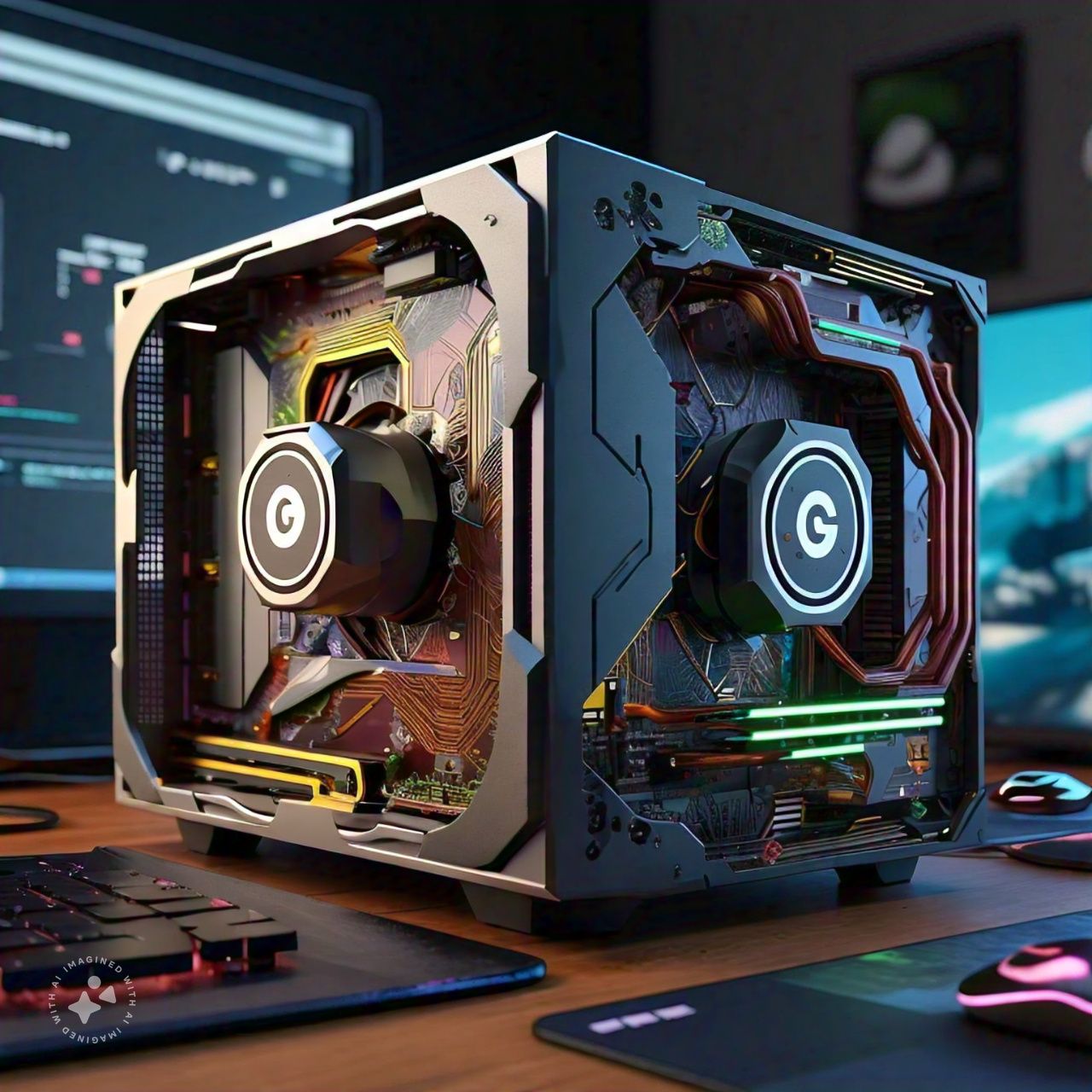
Graphics Processing and 3D Rendering: GPUs, Ray tracing, and video game development.
Graphics Processing and 3D Rendering
In the fast-paced world of video game development, one of the key elements that determines a game’s visual quality and realism is how well the game handles graphics processing and 3D rendering. Modern video games feature incredibly detailed environments, lifelike characters, and advanced visual effects that make gaming more immersive than ever before. Behind these visual achievements are technologies such as GPUs (Graphics Processing Units), ray tracing, and sophisticated rendering techniques.
In this blog, we’ll explore how GPUs power gaming visuals, the impact of ray tracing on realistic lighting and shadows, and how these technologies shape video game development.
The Role of GPUs in Video Game Development
At the heart of high-quality video game graphics is the Graphics Processing Unit (GPU). A GPU is designed to handle complex graphical tasks, such as rendering 3D images, applying textures, and generating visual effects like explosions, reflections, and dynamic lighting. Unlike CPUs, which focus on general-purpose computing, GPUs specialize in parallel processing, enabling them to manage thousands of calculations simultaneously—ideal for the visually intense demands of modern games.(Graphics Processing and 3D Rendering)
Key Functions of GPUs in Game Development:
Rendering 3D Models: GPUs process 3D models, transforming them from raw geometric shapes into fully textured, shaded, and lit objects. This transformation involves calculating how objects appear from different camera angles, applying textures, and ensuring smooth transitions between frames.
Real-Time Graphics: GPUs enable real-time rendering, which is crucial in gaming where visuals need to update quickly as players move through environments. Real-time rendering means the game world is constantly being redrawn on screen, producing fluid animations and responsive gameplay.
Handling Massive Data: Modern games use large textures, complex shaders, and high-polygon models. GPUs are built to handle this heavy workload efficiently, ensuring that frame rates remain smooth even in graphically intense situations.(Graphics Processing and 3D Rendering)
Special Effects: From particle effects (like dust or rain) to volumetric lighting and shadow mapping, GPUs play a critical role in delivering visual effects that enhance the gaming experience.
The Evolution of Ray Tracing in Gaming
One of the most exciting advancements in graphics processing is ray tracing, a rendering technique that simulates how light interacts with objects in a scene to create realistic lighting, shadows, and reflections. Traditionally, ray tracing was only used in movies and pre-rendered content because it required immense computational power. However, with the advent of more powerful GPUs, ray tracing is now being implemented in real-time gaming.
What is Ray Tracing?
Ray tracing works by simulating the path of individual rays of light as they bounce off surfaces in a 3D environment. It mimics how light behaves in the real world, producing incredibly realistic effects like reflections on water, the play of light through glass, or soft shadows cast by indirect lighting.(Graphics Processing and 3D Rendering)
For example, in a game that uses ray tracing, when a character walks through a dimly lit hallway, you might see soft shadows shifting with the movement of light sources or reflections of distant fires flickering in puddles on the ground. This level of visual fidelity was difficult to achieve before the integration of ray tracing into game engines.
The Impact of Ray Tracing on Gaming:
Enhanced Realism: Ray tracing takes video game lighting to the next level, allowing for more realistic reflections, shadows, and ambient lighting. This makes game environments feel more lifelike and immersive.
Dynamic Reflections: Surfaces such as mirrors, water, or shiny metals can reflect their surroundings in real-time. Unlike traditional reflection techniques that approximate this effect, ray tracing provides true-to-life reflections.
Improved Lighting Accuracy: With ray tracing, light behaves more naturally, taking into account the physical properties of surfaces. This results in realistic shading and nuanced light diffusion, improving the overall visual quality of the scene.(Graphics Processing and 3D Rendering)
Performance Costs: While ray tracing delivers stunning visuals, it requires significant GPU power to render in real-time. However, with technologies like NVIDIA’s RTX series and AMD’s RDNA architecture, ray tracing is becoming more accessible, though developers must balance visual fidelity with performance.
3D Rendering: How Games Come to Life
Rendering in video games refers to the process of converting 3D models, lighting, and textures into 2D images that players see on their screens. This process happens multiple times per second, allowing for smooth animations and interactive gameplay. Rendering can be split into two categories: real-time rendering and pre-rendering.
Real-Time Rendering:
Most modern games rely on real-time rendering, where the game’s graphics are continuously calculated and updated as the player interacts with the game world. This process happens within milliseconds to maintain a high frame rate, ensuring that animations and interactions appear fluid. GPUs play a crucial role here, as they need to process complex scenes rapidly.
Pre-Rendering:
Pre-rendering involves creating frames in advance and is typically used in non-interactive cutscenes or cinematics. While pre-rendered scenes can feature higher-quality visuals, they lack the flexibility of real-time rendering since they can’t be adjusted based on player input.(Graphics Processing and 3D Rendering)
Video Game Development: Combining Art and Technology
Game developers rely on a mix of technical tools and creative processes to bring visually stunning games to life. The development of a game’s graphical engine is a complex undertaking that involves a variety of steps, from creating 3D models and textures to fine-tuning lighting and optimizing performance.(Graphics Processing and 3D Rendering)
1. Designing 3D Models and Environments:
Game artists create detailed 3D models for characters, environments, and objects. These models are built using polygons, and the more polygons a model has, the more detailed it will appear. Artists also apply textures to these models to give them color, surface detail, and material properties (e.g., shiny metal or rough stone).
2. Lighting and Shadows:
Lighting is one of the most challenging aspects of game development. Developers use a mix of pre-baked and dynamic lighting techniques to ensure that light sources behave realistically. Ray tracing, as mentioned earlier, has added an extra layer of realism, especially when it comes to creating lifelike reflections and shadows.(Graphics Processing and 3D Rendering)
3. Animation and Physics:
Animations in games must look natural, whether it’s a character walking, jumping, or interacting with the environment. The GPU is responsible for processing these animations in real-time, making them appear smooth and lifelike. Physics engines also rely on GPUs to simulate interactions like collisions, gravity, and explosions.(Graphics Processing and 3D Rendering)
4. Optimization for Performance:
Even with powerful GPUs, developers need to optimize their games to ensure good performance. This includes reducing the number of polygons, optimizing textures, and implementing performance-efficient lighting techniques. The goal is to achieve a balance between visual quality and performance, ensuring a smooth gaming experience on various hardware setups.(Graphics Processing and 3D Rendering)
Conclusion
Graphics processing and 3D rendering are at the core of modern video game development, creating the visually rich and immersive worlds that players have come to expect. GPUs enable real-time processing of complex scenes, while ray tracing pushes the boundaries of realism with advanced lighting and shadow effects. As these technologies continue to evolve, we can expect even more visually stunning games in the future, where the line between virtual and real worlds becomes increasingly blurred.

We are also on Facebook
Go back to home page: 33Services
If you want to Digital Marketing Service with Us Please go here: Digital Marketing Services